Lorcana Beginner Tournament Prep: Your First Local Event Checklist
Your first Disney Lorcana local tournament does not require perfect play, a max-rarity deck, or deep metagame knowledge. It does require preparation in the areas that actually decide whether the day feels smooth or stressful: knowing the event structure, bringing the right materials, using a deck you can pilot without hesitation, and understanding a few tournament habits that prevent avoidable losses.
This guide is a practical checklist for new Lorcana players entering a local event at a game store, league night tournament, or small competitive event. It focuses on the real Lorcana ecosystem: Core Constructed local play, common store procedures, deck registration habits when used, round timing, and basic gameplay logistics. The goal is simple: arrive ready, play cleanly, finish rounds on time, and leave with a clear idea of what to improve next.
If deck choice is still unsettled, it helps to review broader format context before locking a list. Deck Insider’s Disney Lorcana hub is the best starting point for current Lorcana coverage and format-specific reading.
Start with the right event: choose a beginner-friendly local tournament, not the hardest room available
What to do: Confirm the exact event type before you register. Ask the store three things: the format, the round structure, and whether decklists are required. For most new players, the best first event is a regular local Constructed tournament or league event with Swiss rounds and no cut to Top 8. That environment gives enough structure to learn tournament habits without the pressure of a larger championship-style room.
For whom: New Lorcana players who know turn structure and card timing but have little or no tournament experience.
When not to use this approach: If the event is a Set Championship, a high-attendance cash tournament, or a regional-level competitive event, do not treat it as a casual first outing unless the main goal is experience rather than record. Those events often have stronger opponents, tighter play expectations, and less room for basic errors.
Questions to ask the store before the event
- Is the event Core Constructed, Sealed, or Draft?
- How many rounds are expected based on attendance?
- Are rounds best-of-three or best-of-one?
- Is there a top cut after Swiss?
- Is a decklist required?
- Are official Lorcana sleeves, playmats, and accessories allowed if they are not marked or damaged?
- What time does check-in close?
That last question matters more than many new players expect. Stores may start pairings at the listed time, not when late arrivals finish unpacking. Arriving ten to fifteen minutes early is often enough to avoid a round-one loss before any cards are drawn.
Pick a deck you can operate cleanly in 50 minutes, not the deck with the highest theoretical ceiling
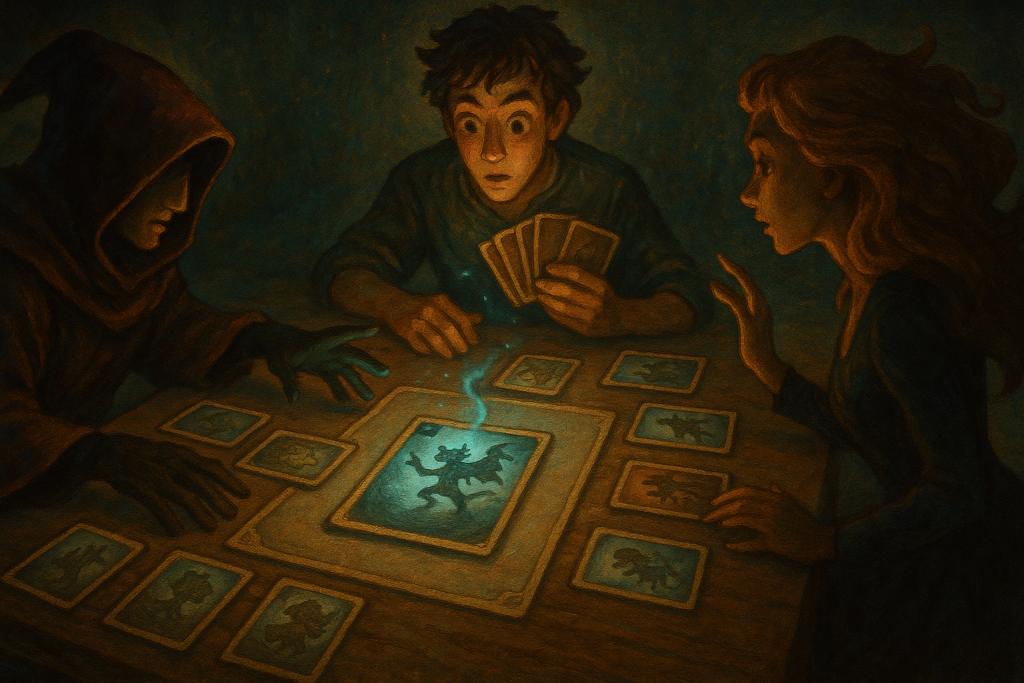
What to do: Play a deck you already understand. The best first-event Lorcana deck is not necessarily the strongest list online. It is the one that lets you make fast mulligan decisions, sequence ink safely, track opposing threats, and finish matches on time.
For whom: Players choosing between several lists in the week before an event.
When not to use this approach: If you already have dozens of reps with a top-tier deck, there is no reason to downgrade to a simpler list just because it is your first tournament. Familiarity matters more than “beginner deck” labels.
A simple deck-selection filter for first events
- Can the deck’s ink decisions be made quickly? If half the games are lost because strong cards get inked by accident, the list is not ready.
- Can you explain your opening priorities in one sentence? Example: early board, stabilize by turn 4, then gain lore with protected characters.
- Do you know your mulligan plan against unknown opponents? If not, your list is still too unsettled.
- Can you finish a best-of-three set without rushing? If every practice match goes long, expect time pressure in a tournament.
For many beginners, a proactive midrange deck is easier to manage than a highly reactive control list. Reactive decks often punish small sequencing mistakes and can create unintentional slow play because every turn has more branching decisions. That does not make control wrong for a first event; it simply raises the preparation requirement.
If current archetypes are changing and a meta snapshot is needed, use live Lorcana coverage rather than old social posts. Deck choice should reflect the actual local environment, not a tier list from two sets ago.
Finalize the list at least one day early and lock every card-related detail
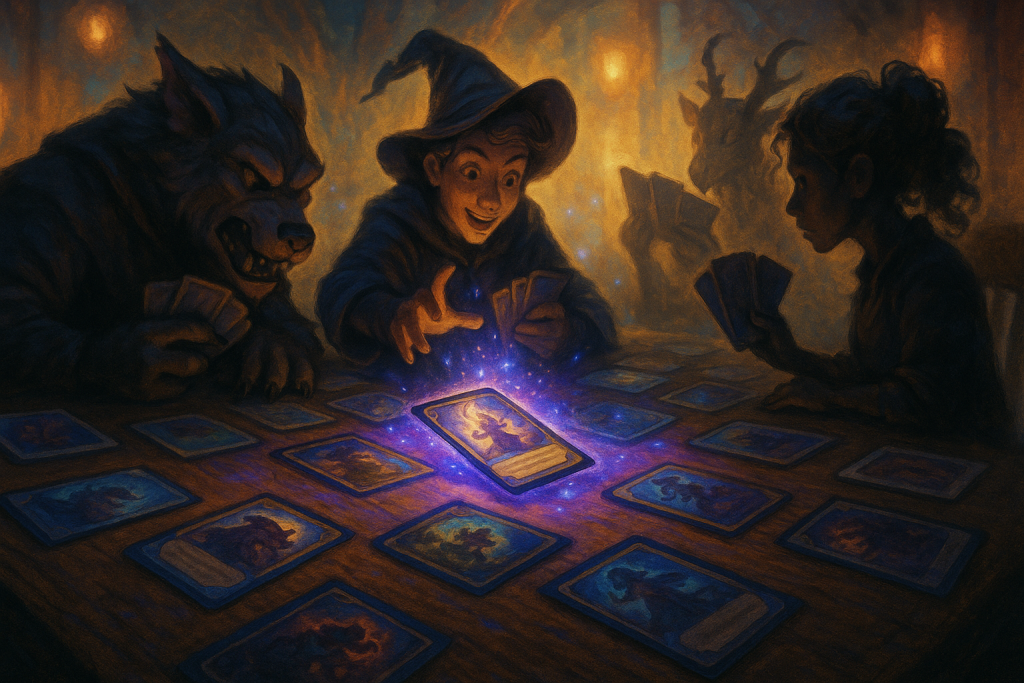
What to do: Stop changing your deck the night before unless you discover a clear error, such as an illegal card count or missing sleeves. Last-minute swaps create uncertainty around mulligans, ink choices, and side conversations about what the deck is supposed to do.
For whom: Players still tweaking counts or borrowing cards close to the event.
When not to use this approach: If the event is several days away and testing reveals a real structural problem, change the list. “Lock early” is meant to reduce panic, not freeze a bad deck.
Your pre-event deck checklist
- Count the deck physically. Make sure it matches the required minimum for the format you are entering.
- Check that every card is tournament-legal for the event’s format and not a proxy.
- Replace damaged sleeves immediately. One bent or split sleeve can create marked-card issues.
- Use one sleeve brand and one sleeve color for the whole deck.
- If the store uses decklists, write card names clearly and count accurately.
- Shuffle the actual final build several times and confirm there are no extra tokens, notes, or other cards mixed in.
A common beginner mistake is thinking “close enough” on card counts is harmless at local level. It is not. Deck registration errors and illegal deck contents are among the easiest problems to avoid because they can be checked at home with no time pressure.
Bring the small items that prevent big problems
What to do: Pack for tournament function, not for display. The goal is to avoid scrambling for basics between rounds.
For whom: Any first-time local Lorcana player.
When not to use this approach: There is no real exception here. Even casual local events run better when players are self-sufficient.
Physical tournament kit
- Deck in good sleeves
- Spare sleeves in the same type and color
- Damage/condition awareness for any foil cards that may curl differently than the rest of the deck
- Lore tracker or a reliable method to track lore totals clearly
- Dice or counters if your deck uses common board-state markers
- Playmat, optional but useful for organized zones
- Water and a quick snack if the venue allows it
- Phone charger or power bank for pairings apps, store communication, or event software
- Pen and paper if the event uses written decklists or if you prefer manual round notes
Lore tracking needs to be clear and mutually visible. If the local store uses app-based pairings, a charged phone becomes tournament equipment, not a convenience.
What not to bring onto the table
- Loose trade binders during active rounds
- Food that can stain cards or sleeves
- Unreadable homemade counters
- Notes about matchups or sideboarding plans if the event rules do not allow outside strategic notes during matches
Keeping the play area simple reduces judge calls and misunderstandings.
Learn the three tournament procedures that matter most before round one
What to do: Understand match flow: check pairings, confirm your opponent, present your deck, decide who starts using the event’s accepted method, and report results correctly at the end.
For whom: Players with casual kitchen-table or league experience but no formal tournament routine.
When not to use this approach: Never skip these basics. They are universal tournament habits.
Pre-game routine
- Find your table quickly when pairings go up.
- Confirm opponent name and round number.
- Shuffle thoroughly before presenting.
- Offer the deck to your opponent for a cut or shuffle if event practice allows.
- Keep opening-hand decisions efficient.
New players often lose focus by chatting through setup and then rushing the first two turns. A stable routine lowers stress and reduces procedural errors.
During the match
- Announce actions clearly: ink, play, challenge, quest, pass.
- Keep characters and ink in distinct zones.
- Resolve triggers and effects fully before moving on.
- Ask for clarification immediately if something is unclear.
- Call a judge or staff member when there is a rules disagreement instead of negotiating a ruling at the table.
Judge calls are not accusations. They are part of normal event procedure. Beginners sometimes avoid calling for help because they think it looks confrontational. In reality, it is the cleanest way to keep the game correct.
After the match
- Confirm the result with your opponent before either player leaves.
- Report the score exactly as the store instructs.
- Reset your deck and tokens immediately for the next round.
A surprising amount of first-event stress comes from rushing after time is called or forgetting whether a match ended 2-0 or 2-1. Confirming results immediately prevents repair work later.
Practice tournament-specific skills, not just card interactions
What to do: In the days before the event, run short structured practice sessions that copy local tournament conditions. Use a timer. Practice mulligans. Practice shuffling between games. Practice keeping visible lore totals and board states.
For whom: Players who have tested casually but not under round time.
When not to use this approach: If the event is purely casual and untimed, timing drills matter less. Even then, clear board habits still help.
Four practical drills
- Mulligan drill: Draw ten opening hands and decide keeps within 20 seconds each. This improves round-one confidence.
- Ink mapping drill: Play the first four turns of sample hands and identify which cards become ink in unknown matchups.
- Lethal check drill: Pause before every quest step in testing and count whether you can close the game this turn or next turn.
- Time drill: Play a full best-of-three with a round clock. Learn whether your deck naturally finishes or stalls.
These drills are more useful than another three hours of unstructured games. First local events are often decided by avoidable fundamentals: missing lethal, inking the wrong card, or spending too much time on ordinary lines.
For players still refining fundamentals around sequencing and tempo, broader strategy reading can help. Deck Insider’s Lorcana category page is the most natural place to continue from here.
Prepare for common local-event scenarios so they do not rattle you
What to do: Decide in advance how to handle realistic situations: playing against a much stronger opponent, facing an unfamiliar card, drawing poorly, or going to time in game three.
For whom: Beginners who want fewer emotional swings during the event.
When not to use this approach: If you already have plenty of tournament experience in Lorcana or another TCG, these scenarios may already feel routine.
Scenario: the opponent plays faster and more confidently than expected
Do not mirror their pace if it makes your play sloppier. The correct response is to keep a steady routine: read the board, confirm targets, and announce actions clearly. Fast and confident does not always mean correct. Many new players give away equity by assuming the experienced-looking player must be right about every interaction.
Scenario: you see a card you do not recognize
Ask to read it. In a real local tournament, this is normal. Read the exact text rather than relying on your opponent’s summary. If timing or wording still seems unclear, call for a judge or staff ruling. This is especially important with cards that create unusual challenge restrictions, lore swings, or banish timing questions.
Scenario: you lose game one badly
Do not re-evaluate your entire deck between games. Focus on one adjustment in play pattern: mulligan more aggressively for early board, respect a key threat earlier, or keep a removal line instead of racing. Beginners often spiral after one rough game and make random decisions in game two.
Scenario: time is called in game three
Know the store’s end-of-round procedure before the event starts. Once time is called, shift from long-term planning to the actual remaining turns. Count current lore, identify immediate racing lines, and avoid spending extra time on low-impact decisions.
Use between-round time for recovery and note-taking, not panic changes
What to do: Between rounds, reset physically and mentally. Drink water, check pairings, and write one short note about the last match: a card that overperformed, a sequencing mistake, or a matchup pattern you missed.
For whom: Players who tend to tilt after mistakes or overreact to single-match results.
When not to use this approach: If the event is extremely fast-turnover and rounds restart immediately, prioritize logistics first: result reporting, bathroom break, and table location.
A useful between-round note format
- Keep: one line that worked
- Fix: one mistake not to repeat
- Watch: one opposing card or line to respect next time
This creates a small feedback loop without turning the event into a deck surgery session. Swapping large numbers of cards or rethinking the whole archetype between local rounds is almost always a beginner error unless the event format explicitly allows changes, which standard Constructed events generally do not.
Understand the limits of preparation: what your checklist will not solve
What to do: Use preparation to remove preventable mistakes, not to guarantee a positive record. A clean checklist improves consistency. It does not eliminate pairings variance, difficult matchups, or the reality of facing stronger players.
For whom: Anyone measuring success only by wins and losses.
When not to use this framing: If your explicit goal is to qualify, win a title, or test a top-tier list under pressure, beginner-oriented expectations may be too modest. In that case, preparation should include matchup spreadsheets, higher-volume reps, and stronger opposition.
What a first-event checklist can realistically improve
- Showing up on time with legal materials
- Reducing decklist and sleeve errors
- Making faster mulligan and ink decisions
- Avoiding unclear board states and miscommunication
- Finishing more matches without rushing
What it cannot guarantee
- Dodging bad matchups
- Perfect technical play
- Immediate comfort with tournament nerves
- A winning record in a strong local metagame
That limitation matters because many players misjudge their first event. A 1-3 record with clean play, accurate procedures, and a better understanding of Lorcana tournament pacing can still be a successful debut.
First local event checklist: the condensed version
Night before
- Lock the decklist
- Count cards and check legality
- Replace damaged sleeves
- Pack tracker, counters, mat, charger, water
- Confirm start time, location, and format
- Sleep enough to make good decisions
Before leaving home
- Bring the exact deck you practiced
- Carry any required decklist
- Check phone battery and event app access
- Leave early enough to arrive 10–15 minutes before check-in closes
At the venue
- Find pairings procedure
- Ask staff about result reporting and time rules
- Keep your table space clean and organized
- Confirm results after every round
During matches
- Announce actions clearly
- Track lore visibly
- Ask to read unfamiliar cards
- Call a judge if needed
- Manage pace without rushing
FAQ
What is the best Lorcana deck for a first local tournament?
The best deck is the one you can pilot cleanly under time pressure. For many new players, that means a proactive or midrange list with straightforward mulligans and clear ink priorities. A stronger but unfamiliar deck is usually worse than a slightly weaker deck you understand.
Do local Lorcana tournaments usually require decklists?
Not always. Regular local events often do not, but some stores and more competitive tournaments do. Always ask in advance rather than assuming. If decklists are required, fill yours out before arrival.
How early should a beginner arrive?
Ten to fifteen minutes before check-in closes is a practical minimum. Earlier is better if the venue is unfamiliar, parking is difficult, or you want time to settle in and review pairings procedures.
What should a new player do if an opponent plays a card interaction incorrectly?
Pause the game and clarify the text. If there is still uncertainty, call a judge or staff member. Do not rely on confidence level, speed, or table consensus as a substitute for a ruling.
Is it bad to use budget cards at a local Lorcana event?
No. Local tournaments regularly include budget-conscious builds, partially upgraded lists, and newer players using accessible versions of established archetypes. Card quality matters, but deck familiarity and clean play matter more than rarity.
What is the biggest first-tournament mistake in Lorcana?
Bringing a deck that was changed too late to practice properly. Most first-event problems start there: weak mulligans, confused ink choices, and slow turns. The second biggest mistake is poor logistics, especially late arrival or damaged sleeves.
Conclusion
A strong first Lorcana local tournament is built on simple preparation: choose the right event, bring a legal and familiar deck, know the event procedures, and practice the skills that matter under a round clock. That approach will not remove nerves or guarantee wins, but it will prevent the most common avoidable losses before the first pairing is even posted.
For a beginner, the best result is not necessarily a trophy. It is finishing the day with clean match habits, accurate card handling, a realistic view of the local metagame, and a short list of specific improvements for the next event. That is how local tournament experience starts turning into actual competitive progress in Disney Lorcana.
Links in this article
Illustration image sources
Custom illustration image was created using the OpenAI Images API.
Recommended reading

Welcome to One Piece Card Game: A Friendly Guide to the World Behind the Cards
Welcome to Yu-Gi-Oh! TCG: A Friendly Guide to the World Behind the Cards
Welcome to Magic: The Gathering: A Friendly Guide to the World Behind the Cards