Welcome to Lorcana: A Friendly Guide to the World Behind the Cards
Disney Lorcana stands out because it feels familiar before a single card is played. The art, the characters, the song references, and the book-like visual language all make it approachable in a way many trading card games are not. For a child, that often means seeing favorite Disney characters in a collectible form that feels exciting rather than intimidating. For an adult, it can mean a mix of nostalgia, clean presentation, and a lower barrier to caring about the world immediately.
That broad appeal matters because many card games live or die by mechanics alone. Lorcana does have a real competitive scene, but the reason many people first pick it up is emotional rather than strategic. A card showing Elsa, Stitch, Ariel, or Mickey is not just a game piece. It is also a small story object, often framed like a page from a storybook. That creates a different first impression than games where the attraction starts mainly with tournament performance.
It is also useful to be clear about scope. This article focuses on what Lorcana feels like in the real world: who it attracts, how people engage with it casually, what the community atmosphere tends to be like, and when it may or may not be the right fit. For readers who primarily follow the broader trading card market through the Pokemon ecosystem, especially competitive Pokemon TCG culture, Lorcana is easiest to understand as a neighboring hobby space with a different emotional center. Pokemon TCG often pulls people in through collecting, play, and organized competition at once. Lorcana more often begins with theme and presentation, then grows into collecting or play depending on the person.
That comparison matters because many players now move between games. A Pokemon TCG player used to checking tournament results, testing matchups, and planning a Regional weekend may find Lorcana noticeably softer in tone at the entry level. It can feel less like joining a ladder and more like entering a shared Disney scrapbook that also happens to be playable. For readers coming from Pokemon, resources such as Deck Insider’s Pokemon hub and the site’s broader Pokemon category coverage remain better references for deck choice, metagame prep, and event routines. Lorcana appeals for different reasons, and understanding those reasons is the key to deciding whether it belongs in a collection, a family game shelf, or a weekly hobby routine.
Why Lorcana feels welcoming faster than many card games
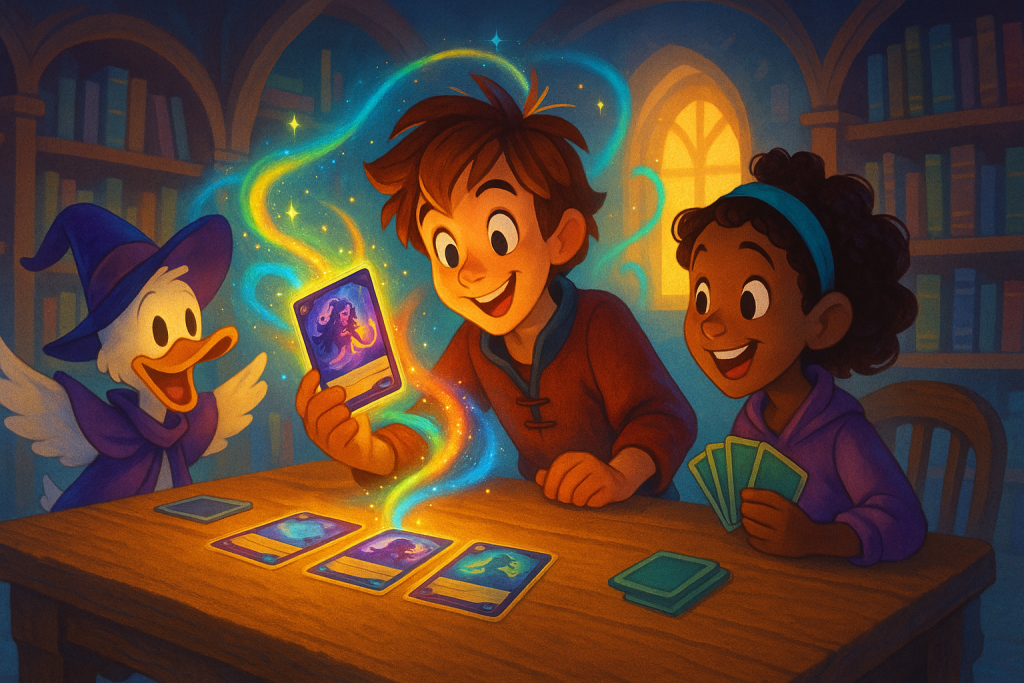
The most practical difference is that Lorcana communicates its identity instantly. The cards look like Disney, sound like Disney, and package familiar characters in ways that are readable even to people who do not normally play card games. That matters most for three groups: families introducing children to tabletop hobbies, Disney fans who have never touched a TCG, and lapsed card players who want a gentler re-entry point.
What to do first depends on which of those groups applies. For families, start by browsing a small card pool together rather than opening a lot of sealed product immediately. The goal is to let the child connect with characters and artwork before rules become the focus. For Disney fans, begin with a starter deck or a few singles featuring favorite characters rather than treating the game as a chase-product hobby from day one. For former TCG players, compare Lorcana’s presentation to what they already know from Pokemon, Magic, or Yu-Gi-Oh and decide whether the attraction is collecting, casual play, or organized play.
When not to use this approach: if the person already knows they want a highly technical competitive game first and a Disney wrapper second, the emotional onboarding advantage matters less. In that case, it makes more sense to evaluate format depth, local event support, and card availability before buying in.
The key result of this welcoming design is that Lorcana can create immediate attachment. A seven-year-old may care about a princess or sidekick before understanding ink costs. An adult may enjoy the alternate art treatment or the storybook framing before caring about matchup spread. That emotional entry point lowers friction and makes the game easier to bring to a kitchen table, school club, or casual store night.
The storybook atmosphere is not just decoration; it changes how people engage
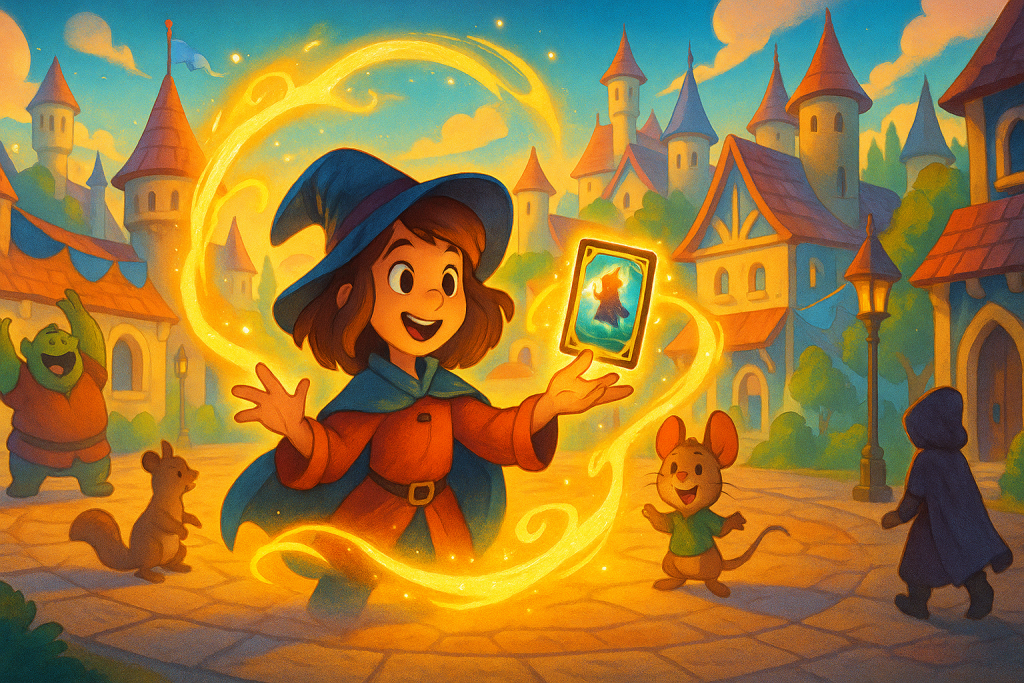
Lorcana’s identity is built around a storybook fantasy aesthetic rather than a pure battle fantasy. The card frames, names, and illustrations lean into scenes, songs, moods, and alternate versions of well-known characters. That makes the game feel closer to opening an illustrated Disney archive than a standard combat-first card game.
For collectors, the practical effect is simple: the appeal of a card is often independent of power level. A player may want a specific version of Belle or Stitch because it looks memorable, references a beloved film, or completes a thematic page in a binder. That is different from ecosystems where demand is driven primarily by tournament staples. Pokemon TCG has both patterns at once: some cards are prized because they dominate events, others because of character popularity, rarity treatment, or set prestige. Lorcana leans heavily on the second pattern for many buyers.
For casual players, the storybook tone also changes how game nights feel. A mixed-age group is more likely to comment on card art, recognize scenes, and talk about characters while learning. That can keep new players engaged through early mistakes. Instead of the entire table energy focusing on who sequenced best, the game can support a more conversational style of play.
What to do with that information: if the goal is a relaxed introduction, build around themes people already care about. Choose cards tied to a favorite film or character cluster. Use binders and deck boxes as part of the ritual. Treat opening packs as a shared discovery activity, not just expected value math. This works best for families, Disney fans, and gift buyers.
When not to use it: if the budget is tight and the main objective is efficient competitive improvement, theme-first collecting can become expensive and unfocused. In that case, buy singles, define a target deck, and skip the emotional temptation to chase every attractive card treatment.
Who enjoys Lorcana most, and why the audience is wider than many TCGs
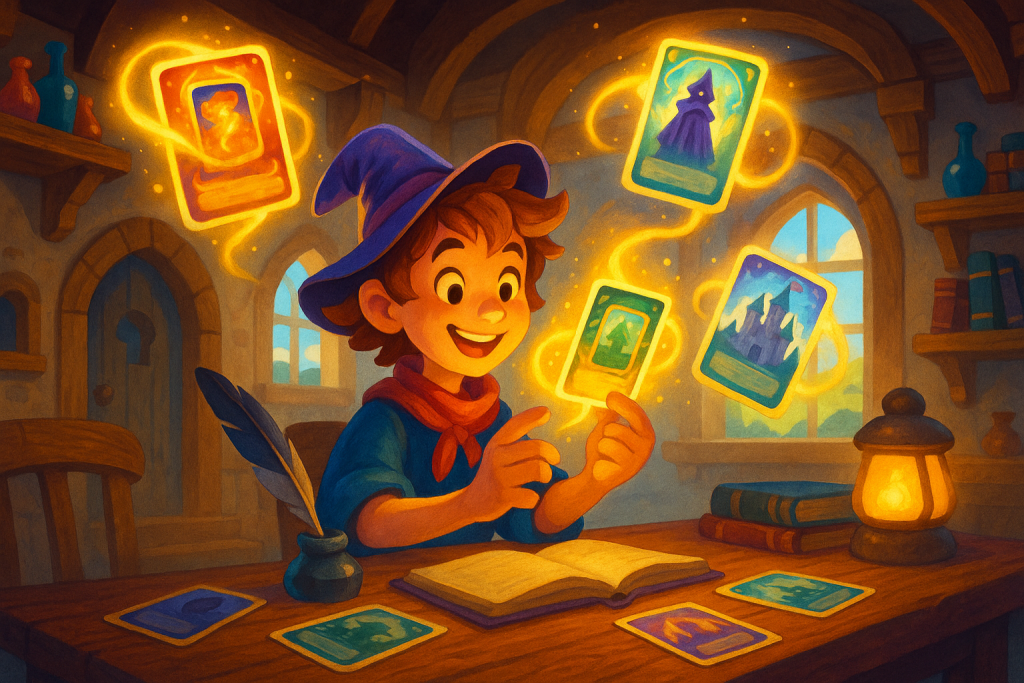
Lorcana serves several overlapping audiences, but each benefits for a different reason.
Kids and first-time players
Children often connect to Lorcana through recognition and ownership. A familiar character makes the card feel personal, which helps with attention span during learning. The practical move here is to start small: one starter deck each, short games, and clear table habits. Children generally do better when the session includes collecting, sorting, and simple play rather than only full matches.
When not to lean on Lorcana for this purpose: very young children who are not yet comfortable with reading, turn structure, or handling cards carefully may enjoy the characters but not the game flow. In that case, stickers, mini collectibles, or guided pack opening may be a better entry point than regular play.
Disney adults and collectors
This group often values presentation, franchise attachment, and the joy of seeing lesser-used characters appear beside major icons. The practical path is to define a collection rule early. That could mean collecting one franchise, one character, enchanted versions only, or one binder page per film. A defined rule prevents the hobby from turning into open-ended spending.
When not to use Lorcana mainly as a collectible hobby: if the buyer is highly sensitive to price swings or product scarcity, Disney-branded collectible games can become frustrating. Secondary-market pressure and launch-period shortages are not unique to Lorcana, and buyers who dislike that volatility may be happier with singles purchased selectively over time.
Existing TCG players
Players from Pokemon TCG, Magic: The Gathering, or One Piece often approach Lorcana with one question: is this something to grind, or something to enjoy casually? The answer varies by local scene. Some stores run highly competitive events; others function more like social Disney meetups with a game attached.
What to do: visit a local game store before investing deeply. Watch one event. See whether players are discussing lines and pairings like a Regional Championship prep room, or trading favorite characters and helping children learn. That tells more than online hype does.
When not to use Lorcana as a second game: if tournament time, hobby budget, and testing hours are already fully committed to Pokemon TCG or another primary game, Lorcana can become a distraction rather than a complement. A second card game works best when the goal is lower-pressure variety, not another full competitive obligation.
How Lorcana compares with the real-world Pokemon ecosystem
For readers coming from Pokemon, the most useful comparison is not card text. It is culture. Pokemon exists as a massive real-world ecosystem: official Play! Pokemon events, League Cups and Challenges, Regional Championships, International Championships, Worlds, content creators, deck databases, testing groups, and a highly structured cycle of format adaptation. A competitive Pokemon player often thinks in terms of matchup charts, best-of-three management, deck registration accuracy, travel planning, and stamina across a long event day.
Lorcana can support competitive habits too, but many people encounter it first through atmosphere rather than structure. That means expectations should be set correctly. If the appeal of Pokemon TCG for a player is refining sequencing with a top-tier deck, following official events, and practicing against the expected metagame, Lorcana may or may not scratch the same itch depending on local support. If the appeal of Pokemon also includes opening products with family, collecting favorite characters, or enjoying recognizable worlds, Lorcana will feel much more immediately aligned.
What to do with this comparison:
- If someone enjoys Pokemon mainly as a tournament hobby, check whether nearby Lorcana events fire consistently before buying in.
- If someone enjoys Pokemon mainly through collecting and character attachment, Lorcana is easier to recommend as a parallel hobby.
- If a family already understands Pokemon products but finds the competitive side overwhelming, Lorcana may be the softer next step.
When not to draw too much from Pokemon comparisons: do not assume that Pokemon’s huge organized-play infrastructure, resale patterns, or mainstream availability will map perfectly onto Lorcana in every region. The games overlap in audience, but their strongest emotional hooks are not identical.
Practical scenarios: how different people can try Lorcana without overcommitting
Scenario 1: A parent wants a shared hobby with a child
Start with two starter decks and a binder, not a box. Let the child sort cards by character or movie after each session. Play short games and stop while interest is still high. The likely result is better retention and less frustration than trying to push full competitive understanding too early.
When not to use this route: if the child mainly wants to collect shiny or rare cards and shows little interest in game flow, shift the budget away from decks and toward a modest collecting plan.
Scenario 2: A Pokemon TCG player wants a lower-pressure side game
Attend one local Lorcana night as an observer first. Ask about attendance, age range, and whether players swap decks for teaching games. If the room feels welcoming and consistent, buy singles for one straightforward deck rather than opening random product. The result is a cleaner trial period and a lower chance of spending on cards that never get played.
When not to use this route: if the local scene only runs sporadically, or if every active player is already deep into optimized lists and high-value cards, the “casual side game” goal may not match reality.
Scenario 3: A Disney fan wants to collect but not compete
Choose one collection lane: favorite princesses, villains, songs, or a specific film. Build a binder around that lane and buy singles to fill gaps. Open some packs only for fun, not as the main acquisition method. The result is a collection that feels curated instead of financially chaotic.
When not to use this route: if completionism is a trigger for overspending, avoid broad goals like “every card from every set.” Narrow themes are healthier and more sustainable.
Scenario 4: A mixed-age game night wants something friendlier than a serious TCG session
Use prebuilt decks, slow the pace, and invite table talk about art and characters. Keep the focus on participation, not optimization. The likely result is that non-TCG guests stay engaged longer than they would in a more technical card game night.
When not to use this route: if the group strongly prefers deep systems and repeated strategic iteration, Lorcana’s charm-first appeal may not be enough by itself.
Where Lorcana can fall short
Lorcana is not automatically the right fit just because Disney is broadly popular. Its strengths can also create friction.
First, the Disney brand can raise expectations that the game is effortlessly for everyone. It is still a trading card game with rules, product availability issues, and a secondary market. Some families may expect a toy-like level of accessibility and discover that deck construction, scarcity, and pricing need adult management.
Second, players seeking a highly established organized-play path on the scale of competitive Pokemon may find local conditions uneven. Pokemon benefits from decades of infrastructure and a globally recognized event ladder. Lorcana support can be strong, but it is not identical in depth everywhere.
Third, theme-first collecting can become expensive quickly. The emotional pull of favorite characters is powerful, especially for Disney fans. Without a collection rule, spending can drift.
Fourth, some experienced card players may find the atmosphere more compelling than the long-term play loop, particularly if their local scene is small. In those cases, Lorcana may work better as a collecting hobby or occasional social game than as a primary competitive commitment.
What to do about these limitations:
- Set a monthly budget before buying products.
- Check local event calendars before aiming for competitive play.
- Choose singles over sealed product when pursuing specific cards.
- Decide whether the hobby goal is family play, collecting, or competition, and spend accordingly.
How to decide if Lorcana belongs in a Pokemon-heavy household or collection
This is the most practical decision point for many readers. A household already deep into Pokemon often has limited budget, shelf space, and weekly hobby time. Lorcana makes sense when it adds something Pokemon is not currently providing.
Use Lorcana if the household wants a more character-driven, aesthetically gentle, and broadly Disney-centered hobby. It works well when one person likes collecting, another likes casual play, and a third just enjoys recognizable characters. It is also useful when competitive Pokemon has become too intense for some family members but they still want a shared card-based activity.
Do not use Lorcana as a default replacement for Pokemon TCG if the main value of Pokemon is its large official tournament network, stable practice routines, and rich strategic content cycle. In that case, Lorcana is better viewed as a side hobby than a substitute.
The expected result of making that distinction early is better satisfaction and less wasted spending. Families who buy Lorcana for atmosphere tend to be happier than families who buy it expecting the exact same ecosystem depth as Pokemon. Competitive players who treat it as a pressure-release hobby often enjoy it more than players who expect another full-scale grind immediately.
FAQ
Is Disney Lorcana mainly for kids?
No. Kids are an important audience, but many adults collect or play because of Disney attachment, art direction, and the social atmosphere around the game. The best way to judge fit is not age alone but whether the person likes character-driven collectibles and lighter onboarding.
Can Pokemon TCG players enjoy Lorcana?
Yes, especially if they like collecting, franchise recognition, or a less intense local play environment. Competitive-first Pokemon players should verify local Lorcana support before investing heavily.
Is Lorcana better for collecting or playing?
That depends on the buyer. Collectors often get value from the art and character selection alone. Players get value when there is a consistent local scene or a family group willing to play regularly. For many people, the best balance is light play plus focused collecting.
What is the safest way to start?
Begin with a starter deck, a small singles order, or a narrow collection goal. Avoid large sealed purchases until the reason for engaging with the game is clear.
Does Lorcana replace Pokemon in a competitive routine?
Usually not for players deeply invested in official Pokemon TCG competition. Pokemon remains far stronger as a mature, structured tournament ecosystem. Lorcana is more often an adjacent hobby that complements collecting or casual play.
Conclusion
Disney Lorcana succeeds because it gives people a reason to care before they understand the rules. Its art direction, character selection, and storybook framing make it easy to approach and easy to share. That is why it appeals to children, Disney collectors, casual card players, and many adults who would not normally start a new TCG from scratch.
The most useful way to evaluate Lorcana is to ignore hype and ask a narrower question: what role should this game play in real life? If the goal is family-friendly collecting, relaxed play, recognizable characters, and a softer social atmosphere than many competitive card games, Lorcana is a strong fit. If the goal is to mirror the full tournament rhythm and infrastructure of the competitive Pokemon TCG ecosystem, expectations should stay measured.
Used in the right context, Lorcana is not just another rules system competing for attention. It is a distinct kind of card-game hobby built around familiarity, presentation, and shared affection for Disney worlds. That difference is exactly why both kids and adults keep finding a place for it.
Links in this article
Illustration image sources
Custom illustration image was created using the OpenAI Images API.