One Piece: 14-Day Tournament Prep Plan Before Event Weekend
Two weeks is enough time to sharpen a One Piece Card Game deck for a serious tournament weekend, but only if the work is focused. Most players lose prep time by changing leaders too late, testing without recording results, or spending hours on broad theory instead of the matchups they are most likely to face. A good 14-day plan fixes that. It narrows the deck choice early, turns testing into repeatable decisions, and leaves the final days for logistics, sleep, and clean play rather than panic changes.
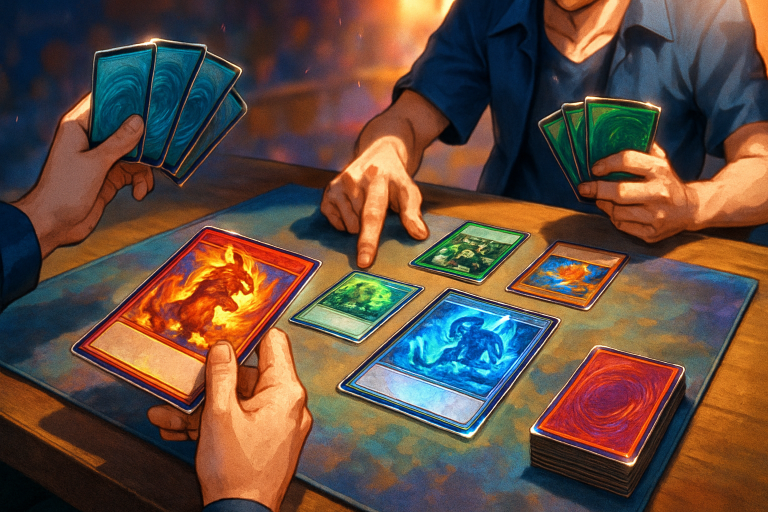
This guide is built for the real One Piece TCG ecosystem: local store championships, regionals, treasure cups, offline major events, and competitive weekly locals. The goal is not to copy a generic grind routine. The goal is to arrive on event weekend with a deck list that is justified, a mulligan plan for common pairings, a clear side-tech logic for your flex slots, and a physical routine that keeps decision quality high through a long day.
If the current metagame still feels unclear, start with a quick format snapshot before locking testing goals. Deck Insider’s One Piece Card Game hub is the right place to check for updated competitive coverage, and the broader TCG category can help track event-season trends that affect preparation priorities.
Day 14 to Day 12: Lock a realistic deck choice and define the event target
What to do: Pick one primary leader and one emergency backup by the end of Day 12. Define the exact tournament target: a large regional, a local championship, or a store-level event with 4 to 6 Swiss rounds. Then write down the top five decks you expect to play against based on recent local results, regional conversion rates, and online event discussion. The purpose is to stop vague testing and build a relevant gauntlet.
For whom: This is essential for players who own multiple competitive One Piece decks and keep switching between them. It is also critical for players borrowing cards, because access to staples often changes deck viability more than matchup theory.
When not to use this approach: Do not hard-lock a deck on Day 14 if a new set has just released and no local results exist yet. In that case, narrow to two leaders instead of one, then decide by Day 10 after initial testing. If card availability is unstable, the first priority is obtaining the actual 50-card main list and leader, not refining hypothetical builds.
How to choose the right leader in this window
Choose the deck that gives the best mix of three things: familiarity, realistic card access, and a stable matchup spread. In One Piece TCG, pilot comfort matters because many turns involve tight DON!! allocation choices, sequencing around counter values, and reading whether the opponent is representing a specific trigger or defensive line. A slightly weaker meta call often performs better than a top-tier leader that is mis-sequenced under pressure.
At this stage, write a one-page deck brief. Include your leader, the 50-card list, 10 DON!! deck if relevant to your prep notes, your expected strongest matchups, expected problem matchups, and the cards that define your identity. For example, if the deck wins through efficient pressure plus board retention, list the cards that create those patterns. If the deck relies on late-game value engines, identify which early-game cards exist only to preserve life total and hand size until that point.
Day 11 to Day 10: Build a matchup gauntlet and test mulligans before full games
What to do: Before grinding complete matches, test opening hands and first three turns against the decks you expect most. Run 10 to 15 opening-hand simulations per matchup. Decide which hands are keeps on play and on draw, which searchers are mandatory, and which card combinations look strong but are actually too slow.
For whom: This is especially useful for players who already know their deck’s broad game plan but still lose percentage points to weak mulligans. It is also efficient for busy players who cannot fit many full best-of-one sets into weekday evenings.
When not to use this approach: Do not stay in simulation mode for too long if the deck has complicated trigger interactions or deep midgame branches. Opening-hand work is powerful, but it cannot replace full games for leaders that pivot between tempo and control depending on life totals and board state.
What to record from early-turn testing
Track four points only: whether the hand had a proactive turn-one or turn-two line, whether it found the key search target, whether it respected likely opposing pressure, and whether it stranded too many high-cost cards. These notes reveal whether your list is built for your local metagame or just copied from a successful list with different expectations.
For example, if repeated opening samples show that a tech card is strong only after turn five but keeps appearing in hands that need early blockers or searchers, that slot may be hurting more than helping. In One Piece TCG, a card can be individually powerful and still lower tournament win rate because it worsens your early DON!! curve and mulligan texture.
Day 9 to Day 8: Test only the top matchups and cut low-value techs
What to do: Play focused sets into the three matchups you expect most often. Use first-to-five or first-to-seven sets with side notes between games, not random ladder sessions with constant deck switching. After each set, review only the cards that were drawn and mattered. Then cut one or two “clever” inclusions that did not directly improve a common game state.
For whom: This is the best phase for competitive local players who already know basic lines and now need practical percentage gains. It is also for anyone tempted to over-prepare for rare fringe decks while neglecting the field’s core leaders.
When not to use this approach: Do not cut all specialized answers if your event is known for a skewed local metagame. Some stores or regional communities heavily favor one color pair or one leader family. In that case, keep tech choices that directly answer that reality, even if they look narrow on paper.
How to judge a tech slot honestly
A slot earns its place if it does one of three things: improves a top-three matchup by a visible margin, raises consistency in multiple pairings, or gives a strong fail-safe line when behind. If it only creates “highlights” when drawn in already favorable games, it is not tournament material.
Use a simple review question after every set: “If this card were a generic consistency card or additional counter value, would the deck perform worse across the day?” If the answer is no, the tech is probably vanity. One Piece events reward clean fundamentals more than cute one-ofs that rarely appear in the exact turn window they need.
Day 7: Run a tournament simulation, not more theory
What to do: Set aside one block of time to mimic the event. Play 5 to 7 consecutive rounds with short breaks, using your exact sleeves, deck box, playmat, notes policy, and timing discipline. Eat and hydrate as you would on event day. The point is to expose fatigue errors that normal testing hides.
For whom: This matters most for players entering their first long One Piece tournament, but even experienced players benefit because tournament mistakes are often physical before they become strategic: missed lethal, bad hand counts, sloppy DON!! management, or sequencing that changes because attention drops in round five.
When not to use this approach: If the event is very small, a full endurance simulation is less important than additional matchup reps. For a casual local with three rounds, the value of stamina rehearsal is limited.
What usually breaks during a mock event
Three problems appear often. First, players forget to reset mentally after a loss and carry frustration into the next pairing. Second, they speed up easy turns and miss efficient attack ordering. Third, they discover too late that sleeves are sticking, marked, or uncomfortable after repeated shuffling. All three issues are fixable only if noticed before the real event.
Day 6 to Day 5: Refine your list with matchup-specific role assignment
What to do: For each major matchup, define whether your deck is the aggressor, the stabilizer, or the resource-denial deck. Then adjust 2 to 4 flex slots only if the role assignment suggests the current list is misbuilt. This is not the time for a large rebuild. It is the time to make small changes that align your 50 cards with how games are actually won.
For whom: This phase helps players whose games feel directionless. If testing shows strong draws still lose because lines are inconsistent, the problem may be role confusion rather than bad luck or a bad matchup.
When not to use this approach: Do not rewrite half the deck because one matchup feels frustrating. In One Piece TCG, overcorrecting for a bad pairing often weakens the broad field. Accept that some matchups will remain below 50% unless the whole format shifts.
Practical example of role-based adjustment
If a leader usually wins by applying early pressure but repeatedly loses to removal-heavy decks because it empties hand size too fast, the answer may not be “add more aggression.” The correct fix could be replacing one narrow top-end threat with an extra searcher, blocker, or card that preserves counter density. Conversely, a deck that keeps stabilizing but fails to close may need another threat that forces awkward blocks or punishes opponents who greed life total management.
The key question is not “Which card is strongest?” It is “Which card helps my deck perform its role in the turns that matter most?”
Day 4: Build a written event plan for mulligans, pacing, and note-free reminders
What to do: Create a short prep sheet for private study before the tournament. Include mulligan priorities by matchup, common opposing power turns, life-total danger thresholds, and the cards you must play around when ahead. Memorize it, then do not bring strategic notes to the table unless event policy clearly allows the relevant form of reference. The purpose is to reduce mental load, not create policy risk.
For whom: This is ideal for players who know the matchup theory but forget key details under round pressure. It is also useful for anyone attending a large event venue with travel fatigue and schedule noise.
When not to use this approach: Do not write pages of advanced theory. Long documents are rarely internalized. A good event plan fits on one sheet and can be reviewed in ten minutes the night before.
What a useful prep sheet includes
Keep it specific. Example categories: “On draw into fast red lists, keep search plus 2k counter plus playable turn-two body.” “Against slower value leaders, do not push life blindly into trigger-rich ranges unless board advantage is already secured.” “When ahead on board, count opponent’s realistic counter range before committing extra DON!! to force marginal attacks.” Short prompts like these help more than abstract reminders to “play carefully.”
Day 3 to Day 2: Stop major testing and secure logistics, supplies, and rest
What to do: Finalize the list, print or prepare deck registration if needed, replace worn sleeves, pack extra sleeves, leader, DON!! cards, playmat, damage or life markers if used, water bottle, snacks, charger, ID, and event confirmation. Confirm venue address, check-in time, transit or parking, and nearby food options. Then reduce testing volume sharply.
For whom: This is for every tournament player, but it matters most for travelers and anyone entering a major weekend event where registration delays or a missing card can ruin preparation more than any matchup issue.
When not to use this approach: If a true last-minute metagame shift occurs from a major event immediately before your own tournament, one final review is reasonable. But even then, avoid rebuilding from scratch unless the evidence is overwhelming and the replacement deck is already familiar.
Why hard testing should taper here
Late testing often creates false urgency. A small sample of bad games two nights before the event can push players into unnecessary changes. By Day 3, most strategic gains are smaller than the benefit of good sleep, proper packing, and arriving calm. The deck should now feel familiar enough that confidence comes from repetition, not novelty.
Day 1 and event morning: Preserve decision quality for round one
What to do: The night before, review the prep sheet once, then stop. On event morning, eat a familiar meal, hydrate early, arrive with buffer time, and shuffle enough to feel physically comfortable with the deck. During pairings, focus on one opponent at a time instead of calculating final standings too early.
For whom: This is especially valuable for players prone to anxious last-minute changes or over-discussing the metagame in venue lines. External noise is highest on event morning and rarely improves actual play.
When not to use this approach: The only reason to deviate is a deck-list error or physical card issue that must be corrected before the event starts. Otherwise, preserve the routine.
Simple between-round rules that matter
After each round, log the matchup and one lesson only. Eat small amounts consistently instead of one heavy meal. Drink water before thirst becomes noticeable. If a game ended badly, reset with a short walk and do not replay every turn while pairings are about to go up. Long events punish emotional carryover as much as technical mistakes.
Practical tournament scenarios and the right adjustment
Scenario 1: The local field is much faster than online discussion suggests
If store results show more aggressive red or tempo-focused lists than recent online chatter, increase the weight of early defense in testing. That usually means reevaluating opening hands with more respect for curve stability, blocker timing, and 2k counter density. Do not keep slow value hands just because they looked strong in broader meta reports.
Scenario 2: A borrowed deck arrives late
If final card access is uncertain until the last week, shorten broad testing and focus on mulligans, turn sequencing, and the top three matchups. There is no value in crafting highly tuned flex-slot theory for a list that may change when cards arrive. The best use of time is learning the deck’s mandatory lines and identifying the cards that can be swapped without changing core function.
Scenario 3: The player knows the deck but times out mentally in long rounds
The fix is not more theory. It is endurance rehearsal and simplification. Reduce low-frequency tech decisions, tighten mulligan rules, and pre-decide attack sequencing principles in common states. Decision fatigue often comes from repeatedly solving the same board from zero instead of using a stable framework.
Scenario 4: Testing results are split because opponents pilot unevenly
When sparring quality varies, record game-state notes instead of relying only on win rate. Ask whether losses came from real structural problems or unusual pilot errors on either side. A 50% record can hide a favorable matchup if the losses came from repeated self-inflicted sequencing mistakes. It can also hide a bad matchup if wins required opponents to miss obvious punish lines.
Limitations of a 14-day plan
What to do with this information: Treat the plan as a framework, not a promise. Two weeks is enough to become tournament-ready with a familiar One Piece deck, but it is usually not enough to master a technically demanding leader from scratch while also solving every matchup. Use the plan to improve expected decisions, not to chase perfect knowledge.
For whom: This warning matters most for players changing colors, archetypes, or overall playstyle right before a major event. A control-oriented player moving into a tempo deck, or vice versa, may need more than two weeks to internalize attack patterns and risk thresholds.
When this plan is not sufficient: It is not enough if the format has just rotated around a major release, if bans or restrictions changed key decks, or if the event is a championship-level field where tiny matchup edges matter and your chosen leader is still underexplored. In those cases, the best adjustment is usually to play the more familiar stable deck rather than force a late “best deck” switch.
Another limitation is testing environment quality. Online reps, friend-group gauntlets, and local store scrims can all be useful, but none perfectly replicate a real tournament room with mixed skill levels, time pressure, and fatigue. That is why written plans, physical logistics, and role clarity matter alongside raw game count.
FAQ
How many games should be played in the two weeks before a One Piece tournament?
Quality matters more than raw count. For a familiar deck, 30 to 50 focused games with notes can be enough if they are concentrated into the matchups that actually matter. For a newer deck, more reps may be needed, but only if the games are reviewed. Untracked volume often creates false confidence.
Should the deck list be copied from a recent top cut?
Starting from a proven list is usually better than building from zero. The key is to understand why each slot exists. A top-cut list from a large event may be tuned for a field very different from a local championship. Use it as a base, then test whether your local environment requires changes in search consistency, defensive density, or top-end threats.
When should the final list be locked?
Ideally by Day 3. Small emergency changes are still possible later, but the last 48 to 72 hours should mainly be for logistics and mental freshness. Constant tweaking near the event usually lowers confidence and makes mulligan decisions less automatic.
Is it worth preparing for rogue decks?
Only after the top field is covered. Learn broad principles against rogue strategies—respect unusual removal windows, identify whether they are faster or slower than your deck, and keep flexible hands—rather than spending large blocks of time on rare pairings. Exceptions exist if a specific local scene is known for one unusual leader.
How should players handle tilt after an early loss?
Use a reset routine: log one lesson, drink water, stand up, and stop reviewing every detail once the takeaway is clear. In One Piece tournaments, many strong finishes start with an early loss. The practical goal is to protect later rounds from emotional spillover, not to erase frustration instantly.
Is online testing enough?
It helps with matchup volume and sequencing reps, but in-person play still matters. Physical DON!! management, shuffling rhythm, reading board states across a table, and maintaining focus through long rounds are harder to simulate online. The best prep uses both when possible.
Conclusion
A strong One Piece tournament weekend usually begins well before pairings go up. The best two-week prep plans are narrow, practical, and honest. They choose a deck early enough to matter, test the matchups that are actually likely, cut low-value techs, define matchup roles, and protect the final days for sleep, supplies, and routine. That approach does not guarantee top cut, but it sharply reduces avoidable losses from bad mulligans, unclear sequencing, missing cards, and late panic changes.
If the objective is to maximize real tournament performance rather than simply play more games, the sequence is clear: lock the leader, build the gauntlet, test openings, refine only what affects common game states, simulate endurance, then arrive rested and organized. In the One Piece Card Game, that combination wins more matches than last-minute theory ever will.
Links in this article
Illustration image sources
Custom illustration image was created using the OpenAI Images API.