Pokemon Going Second in 2026: Aggression Lines vs Stability Lines by Matchup Type
Going second in the Pokémon Trading Card Game Standard format in 2026 is a matchup-management problem, not a simple tempo problem. The second player gets the first attack, but that only matters if the opening hand, deck structure, and opposing archetype actually reward immediate pressure. One reason this matters more in the current Standard card pool is that many opening turns are shaped by cheap setup pieces like Buddy-Buddy Poffin, exact-search Supporters such as Arven, and decks that can punish overextension on the following turn. The biggest mistake is treating every going-second hand as an automatic aggression turn. Against some decks, forcing an early attack converts tempo into Prize pressure and strands the opponent’s setup. Against others, that same line burns key Items, overcommits Energy, and leaves a weak board into the opponent’s stronger turn-two pivot.
This article focuses on one practical question: when should a second player choose an aggression line, and when should they choose a stability line, based on matchup type? The answer matters most in Standard tournament prep for locals, League Cups, Regionals testing, and best-of-three round management. The guidance below is built around real Pokémon TCG play patterns: opening with Buddy-Buddy Poffin, sequencing Arven versus draw Supporters, deciding whether to attach to an exposed attacker, and evaluating whether a turn-one attack actually improves the Prize race. If you are building broader prep habits around this, pair these ideas with a practical Pokémon TCG matchup matrix for Regional events and a simple 10-day Regional prep plan.
For broader format coverage, visit Deck Insider’s Pokémon topic hub or browse more articles in the Strategy category.
What “aggression” and “stability” mean when going second in Standard

Aggression line means using the second player’s attack privilege to create an immediate board or Prize swing. That can be a turn-one attack, a gust-less knockout on a low-HP opener, a low-cost spread attack that forces awkward Bench sequencing, or a high-pressure setup turn that commits Energy with the clear intention of attacking before the opponent can stabilize.
Stability line means deprioritizing immediate damage in favor of preserving hand quality, Bench structure, recovery options, and future sequencing. In practice, that usually means one or more of these choices:
- Using Arven or another setup Supporter instead of digging for a marginal early attack.
- Bench management that avoids exposing two-Prize liabilities too early.
- Holding switching pieces or rare search cards for the next turn rather than converting them into low-value chip damage.
- Attaching Energy to a backup attacker or pivot instead of the only active threat.
Who should prioritize this distinction? Competitive Standard players, players moving from locals to Cups or Regionals, and anyone testing matchups where one bad opening sequence decides the whole set.
When not to overcomplicate it: if the hand gives a clean, low-cost turn-one attack without burning premium resources and that attack matters into the opponent’s likely opener, take it. The problem is not attacking early; the problem is paying too much for an attack that does too little.
Actionable next step: in testing notes, label each going-second opener as either “pressure converts” or “pressure doesn’t convert.” That single distinction will sharpen mulligan review, sequencing review, and matchup plans faster than generic “good hand / bad hand” notes.
Decision framework #1: Choose aggression only when it changes the Prize map or the opponent’s turn-two ceiling
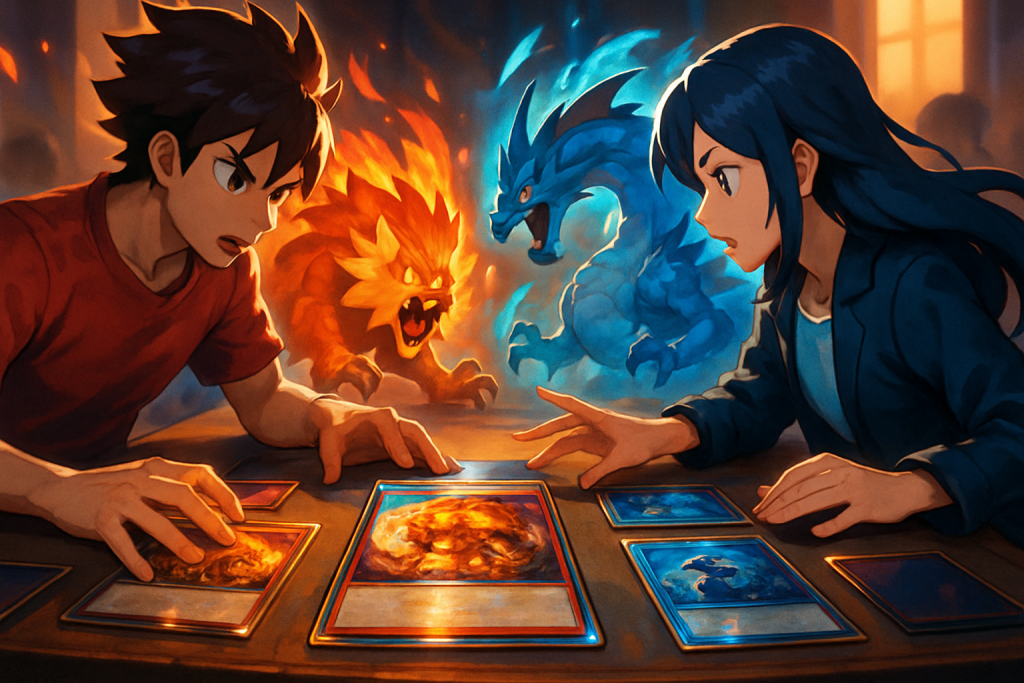
The cleanest rule for going second is this: choose aggression when the early attack changes either the Prize map or the opponent’s strongest next-turn board state. If it does neither, the stability line is usually stronger.
When aggression is correct
- You can take an immediate knockout on a low-HP Basic or fragile setup Pokémon.
- Your damage creates a forced response, such as promoting an attacker the opponent did not want active yet.
- Your deck snowballs from early tempo, especially if it can chain cheap attacks while denying clean retaliation.
- The opposing deck is setup-dense and attack-light on turn one, so early pressure taxes their search and evolution lines.
When stability is correct
- Your early attack misses key numbers and only deals cosmetic damage.
- You must spend multiple premium resources to attack, such as an important switch, a once-per-turn engine piece, and a discard outlet that weakens turn two.
- The opponent wants you to overextend into a stronger counterattack, gust turn, or spread setup.
- Your own deck wins through two-turn structure, not one-turn burst.
Practical result: this framework reduces “looks aggressive” mistakes. A lot of failed going-second turns happen because players chase any legal attack instead of asking whether that attack changes the actual race.
Actionable next step: before committing to a turn-one attack, ask two yes/no questions: “Does this alter the Prize map?” and “Does this reduce the opponent’s best next turn?” If both answers are no, default to stability.
Against setup decks: pressure Basics early, but do not empty the hand to do it
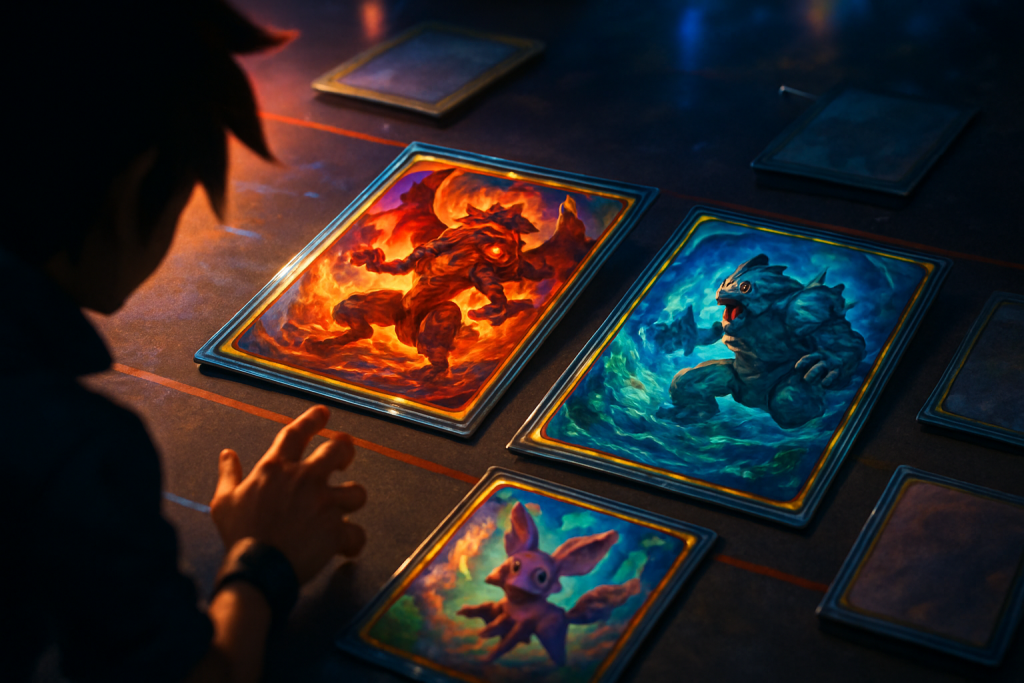
Setup-heavy matchups are the clearest place to use aggression. These are decks that need several pieces online before their strongest turn cycle begins: multiple Basics, an evolution chain, or a board that depends on Ability sequencing and staged attachments. Into this matchup type, going second is strongest when the opening attack either removes a setup Pokémon or forces the opponent to use search on board repair instead of progression.
What to do: prioritize lines that combine early damage with board development. A common example is using Buddy-Buddy Poffin to fill the Bench, attaching to the attacker most likely to survive a counterturn, and choosing a Supporter that still leaves a healthy hand size for next turn. If the deck uses Arven, the best aggression lines are often the ones where Arven still finds a tool or setup Item that keeps the attack from being your whole turn.
For whom: decks with low-commitment attackers, spread pressure, or one-Energy openers benefit most here.
When not to use pure aggression: if the attack requires discarding multiple resources from hand and leaves only one functional attacker in play, the line is often too fragile. Setup decks usually punish this by surviving the first hit and winning the longer exchange.
In current 2026 testing, this comes up most often against lists that need two-stage board assembly rather than immediate damage output. Even when exact top archetypes shift from event to event, the practical tell is the same: if the opponent’s first turn is mostly Bench expansion and search, your best going-second attacks are the ones that interrupt that structure, not the ones that merely add damage to a future attacker.
Practical scenario: low-HP opener across the table
The opponent starts a support Basic with modest HP and no obvious protection. Going second, the aggressive line is correct if the knockout is available through natural search and attachment. Take the Prize, force an awkward promote, and make the opponent rebuild before they establish their intended board.
The stability line becomes better if the knockout requires burning a switch, a key recovery card, and your best search Item in the same turn. In that case, the Prize is real but the follow-up is too weak. Against setup decks, the stronger long-set plan is often to pressure while preserving the second wave of attackers.
Actionable next step: in setup matchups, identify before the round which opposing Basics are worth a resource-intensive turn-one knockout and which are not. That removes hesitation during timed rounds.
Against fast aggro decks: choose stability more often than instinct suggests

Fast aggro mirrors and pseudo-mirrors create the most sequencing traps for the second player. Because both decks can pressure early, players often assume they must attack immediately to keep pace. In reality, these are the matchups where low-value aggression loses the most games.
What to do: protect Energy attachments, avoid benching unnecessary two-Prize liabilities, and preserve pivot options. If the opposing deck can answer your active attacker cleanly, a turn-one swing that does not take a Prize or set up a precise follow-up usually just hands initiative back. The better line is often to build two threats, hold a switch effect, and force the first meaningful knockout on a board that still attacks back.
For whom: players using decks that need one extra turn to establish damage modifiers, secondary attackers, or recovery loops.
When not to use stability: if the opponent’s opening is clunky and an immediate attack can strand a bad Active or remove a key Basic, aggression still wins. Stability is not passivity; it is selective commitment.
Decision framework #2: Compare retaliation quality, not just current damage
In aggro matchups, use this second framework: if your attack is weaker than the opponent’s likely retaliation, your line must improve board quality enough to justify that trade.
- If the early attack takes a Prize and leaves a second attacker ready, aggression is usually correct.
- If the early attack does not take a Prize and leaves no backup attacker, stability is usually correct.
- If both players can attack, the better line is the one that preserves the cleaner two-turn sequence, not the one that deals the first minor damage.
Actionable next step: in aggro testing, review games from the point of the first attack exchange. Ask whether the losing player’s turn-one attack improved retaliation quality or merely spent resources early.
Against evolution midrange decks: attack their tempo, not their tank
Midrange evolution decks often absorb one early hit better than setup decks and punish overextension better than glass-cannon aggro. That changes what “aggression” should mean. Into this matchup type, blind damage into a main attacker is often inefficient. The better aggressive line targets tempo: pre-evolutions, support Basics, or board states that rely on one specific pivot surviving.
What to do: if a clean knockout on a smaller target is available, take it instead of spreading damage into a target that will evolve or heal through the number. If no relevant knockout exists, prioritize a stability turn that builds a board capable of answering their first real attacker cleanly on turn two or three.
For whom: this matters most for decks that can choose between chip damage and focused damage but cannot do both efficiently on the same turn.
When not to use this approach: if your deck’s damage math specifically rewards early chip on large targets, then that chip may still be the correct aggressive line. The key is whether it unlocks a later knockout breakpoint rather than just “starting damage.”
That distinction is especially important in 2026 Standard because many evolution boards recover well from random early damage but still stumble if a support role disappears. In other words, the target that matters is often the one that makes the next evolution, retreat, or draw sequence work.
Practical scenario: opponent opens with evolution support plus one main Basic
Suppose the opposing board shows one future heavy attacker and one setup piece that enables the next turn. Going second, many players push damage into the future attacker because it feels proactive. The stronger line is often to remove the support piece if possible, even for lower immediate damage output. That attack cuts off evolution density, narrows their sequencing, and reduces the chance that the first large attacker arrives with ideal support.
Actionable next step: map the opponent’s board by role before choosing the attack target: “attacker,” “engine,” “pivot,” or “expendable.” Into midrange, aggression should hit the role that breaks the turn cycle, not the highest-HP card by default.
Against control, disruption, or resource-denial plans: stability first unless early pressure is truly compounding
Control-adjacent and disruption-oriented matchups punish careless aggression because they are designed to turn your own resource spending against you. Going second does create a window to get ahead before denial pieces matter, but only if the pressure compounds over multiple turns.
What to do: value hand conservation, diversified Energy placement, and redundant search lines. If an early attack requires committing the only searchable Energy or the only switch piece that breaks a future trap, the hidden cost is often too high. Against these decks, a stable board with two credible attackers is usually more important than a low-impact opening swing.
For whom: players whose decks rely on specific Special Energy, one-of tech cards, or fragile draw engines need to be especially disciplined here.
When not to use stability: if your deck can present unavoidable two-turn pressure that forces the disruption deck off its ideal plan, that pressure should be taken. The line is correct when each committed resource contributes to a continuing attack pattern rather than a single isolated attack.
Actionable next step: mark in matchup notes which cards are “do not spend for low-value turn-one damage” resources. In disruption pairings, precommitting that rule prevents many avoidable losses.
How opening Supporter choice changes the line: Arven, pure draw, or search-first sequencing
A large share of going-second decisions are actually Supporter decisions. The opening hand often offers two paths: a setup Supporter such as Arven that guarantees structure, or a draw Supporter that may find a bigger attack but at higher variance.
What to do: choose Arven and search-first sequencing when the matchup rewards exact pieces more than raw card volume. That usually means setup matchups where one Item plus one tool or utility card creates both an attack and a stable board, or aggro matchups where preserving guaranteed follow-up matters more than maximizing current-turn ceiling.
Choose the higher-variance draw line when three conditions are true:
- The matchup rewards immediate pressure heavily.
- Your hand already contains enough baseline stability pieces.
- The extra cards meaningfully increase the odds of a knockout or board lock-in, not just a generic attack.
When not to force Arven: if the specific Item targets do not actually improve the current turn or next turn, then Arven becomes a low-impact habit instead of a strong stability line.
Actionable next step: in deck testing, list your best going-second Supporter by matchup class rather than asking for one universal answer. The best Supporter into setup, aggro, and disruption is often different even with the same opening seven.
Board management when going second: Bench size, Energy placement, and attacker layering
Players often talk about going-second attacks and understate how much the board decides whether those attacks matter. Two hidden edges create more match wins than flashy turn-one swings: correct Bench restraint and layered Energy placement.
What to do:
- Bench only what improves the next two turns. Do not hand the opponent free gust targets or easy Prize mapping.
- Layer Energy across roles. If possible, attach so that a knockout on the Active does not delete your whole plan.
- Prepare a pivot. Even in aggressive starts, maintain a route into a fresh attacker next turn.
For whom: this is critical in two-Prize-centric formats and in decks where one exposed support Pokémon can collapse the board.
When not to over-restrict the Bench: if the matchup is clearly about speed and your deck requires multiple Basics to function, refusing to Bench enough setup pieces becomes its own error. The goal is purposeful Bench expansion, not minimalism for its own sake.
Actionable next step: after each testing game, review the first two turns and circle any benched Pokémon that never mattered. Those are the easiest hidden leaks to fix.
Practical matchup scenarios for 2026 Standard testing
The exact top tables will keep shifting through 2026, so this section is current-context guidance rather than a timeless tier list. The value lies in matchup type recognition. A useful way to keep this fresh is to update your notes after each League Cup, Regional stream, or local meta shift: which decks are truly setup-heavy, which ones punish overextension fastest, and which ones only look aggressive but actually reward patience.
Scenario 1: Into an engine-heavy board with a vulnerable Basic
Use aggression if the knockout is available with one attachment and normal search. The result is immediate Prize lead plus engine disruption.
Use stability if the knockout requires exhausting your hand and leaves no second attacker. The result of forcing the Prize is often losing the next two turns.
Scenario 2: Into an opposing deck that hits hard on its first real attack
Use stability unless your own attack takes a Prize or strands the wrong Active. Chip damage that gets answered by a clean knockout is usually a losing exchange.
Use aggression only if the attack plus board development creates a superior retaliation chain.
Scenario 3: Into a list likely to play disruption or trapping lines
Use stability when the aggressive line spends your only out to a future lock piece. Preserve switch, preserve diversified Energy, and force them to answer multiple threats.
Use aggression when your pressure becomes unavoidable over the next two turns and does not rely on one fragile attacker.
Scenario 4: Best-of-three, game two, opponent likely to choose first
Plan the going-second opener before shuffling. In timed rounds, the second player loses extra percentage points by tanking over whether to chase marginal attacks. Matchup-class defaults solve that problem. Into setup decks, lean pressure. Into fast aggro, lean stability. Into disruption, protect resources first.
Actionable next step: build a one-page tournament sheet with three columns: “setup,” “aggro,” and “disruption/control.” Under each, write your going-second default Supporter, preferred attachment target, and the resources you refuse to spend for low-value damage.
Limitations of matchup-type heuristics
These rules improve decisions, but they are still heuristics. Three limits matter.
- List differences matter. A local metagame list may have different counts of switch cards, gust effects, or early attackers than a published tournament list.
- Opening hands override theory. A hand with perfect natural aggression should not be forced into stability because of a rigid note.
- Prize cards and hidden information matter. Sometimes the correct line is less about matchup type and more about what the hand cannot afford to expose.
Current-context guidance should therefore be tested against the exact 60-card lists expected at League Cups, Regionals, or online events. The stronger the player field, the more often opponents will punish generic “always attack going second” habits. For more exact prep, it helps to pair these matchup-type heuristics with deck-specific planning such as matchup-by-matchup sideboard and planning habits, even if your real goal is simply sharpening pre-round notes and sequencing.
Actionable next step: test at least ten post-setup games per important matchup with the same two lists and record whether your first meaningful turn was aggression or stability. That sample usually exposes false assumptions fast.
FAQ
Is going second generally better in Pokémon TCG Standard in 2026?
No. It is better for some decks and some pairings because the second player can attack first, but the value of that privilege depends on whether early attacks actually convert into a stronger Prize race or weaker opposing board.
Should a deck be built differently if it expects to go second often?
Yes. Decks planning for second usually want a higher density of turn-one search, more consistent pivot access, and attackers that do not require excessive commitment. The goal is to create multiple opening lines, not just a single high-roll attack.
How should locals players use this compared with Regional prep?
At locals, broad matchup-type rules are often enough because the field is mixed and information is limited. For Regional prep, use the same frameworks but tie them to exact archetypes, exact counts, and likely best-of-three patterns. A dedicated Pokémon TCG Regional prep checklist helps turn this article’s ideas into actual round-by-round preparation.
What is the biggest mistake when going second?
Confusing a legal attack with a good attack. If the turn-one swing neither changes the Prize map nor lowers the opponent’s next-turn ceiling, it is often just resource burn.
Does this advice change with future sets or bans?
Yes. This is current-context guidance for the 2026 Standard ecosystem. New set releases, rotations, and bans can change which decks are setup-heavy, which are truly fast aggro, and how much punishment exists for overcommitting on turn one.
Conclusion
Going second in Pokémon TCG Standard in 2026 is strongest when treated as a matchup-specific decision tree. Aggression lines are best when they alter the Prize map or cut down the opponent’s best next turn. Stability lines are best when the early attack would be low-impact, overcommitted, or weaker than the retaliation it invites. Against setup decks, pressure vulnerable pieces. Against fast aggro, protect retaliation quality. Against evolution midrange, attack tempo roles rather than tanks. Against disruption, preserve resources unless your pressure compounds across turns.
The practical edge comes from using explicit defaults before the round starts: know your preferred opening Supporter, your best attachment target, and which resources are too valuable to spend for cosmetic damage. That approach makes going second less reactive and far more consistent across long tournament days.
Links in this article
Illustration image sources
Custom illustration image was created using the OpenAI Images API.