Yu-Gi-Oh! Hand Trap Timing Windows: When to Interrupt Combo Decks for Maximum Value
Modern Yu-Gi-Oh! TCG combo matchups are often decided less by which hand trap is in hand and more by when it is used. Against strong decks, firing too early lets the opponent pivot into an extender-heavy line. Firing too late often means the real choke point has already passed and the hand trap only trades for a low-value effect. The goal is not to negate the first thing that moves. The goal is to interrupt the action that converts a reasonable hand into a winning board.
This timing problem matters more in the current TCG than it did in slower formats. Modern combo lines are layered with normal summon starters, graveyard setup, on-field extenders, and Extra Deck effects that replace themselves. A useful hand trap framework therefore needs to answer three practical questions every turn: what resource is the opponent short on, which effect converts that resource into momentum, and what backup lines remain if that effect is stopped.
For a broader look at the current game environment, Deck Insider’s Yu-Gi-Oh! hub is a useful starting point, and matchup-specific tournament coverage on Deck Insider can help confirm which combo decks are actually worth targeting in a given event.
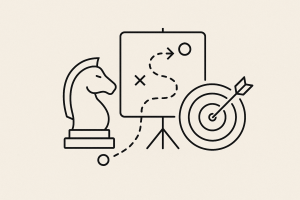
Start with a three-step decision framework before using any hand trap

What to do: evaluate every opposing combo line through three checkpoints before committing interaction.
For whom: this is most useful for competitive local players, Regional players, and anyone preparing for long Swiss events where wasting one hand trap often costs the game.
When not to use this approach: if the opponent’s hand is already weak and loses to any interruption, there is no need to overcomplicate the spot. Simpler lines are correct when obvious choke points exist.
1. Identify the bottleneck resource
Most combo turns rely on one of four resources becoming available:
- a normal summon that must resolve,
- a search effect that finds the missing engine piece,
- a graveyard effect that unlocks extension,
- or an Extra Deck summon that turns small bodies into advantage.
Before using a hand trap, identify which resource the opponent has not yet secured. If they already have extenders on board, stopping a search may do less than stopping the summon that converts those extenders into a link climb. If they opened multiple starters but no follow-up, stopping the first search can end the turn immediately.
2. Ask whether the effect is a starter, extender, or fixer
Not all effects deserve the same respect. A starter begins the line. An extender continues it after material is established. A fixer repairs awkward hands by searching, sending, or summoning the exact missing piece. In modern Yu-Gi-Oh!, fixers are often the best hand trap targets because they smooth over otherwise clunky openings. Negating a fixer frequently forces the opponent to pass on a board with lower ceiling and worse follow-up.
3. Count remaining backup lines
After choosing a potential target, ask what still beats the hand trap. If the opponent can still make their key Link-2 or rank-up play with cards already visible, the interruption may only trade one-for-one while losing the tempo war. If the stopped effect was the only path to non-engine setup, then the hand trap likely gained real value.
A simple rule works well in tournament play: use hand traps on effects that either consume the opponent’s normal summon, lock in material commitment, or reveal that the hand is dependent on one specific conversion point.
Use Ash Blossom & Joyous Spring on effects that fix structure, not just on the first search

What to do: prioritize Ash Blossom on searches, sends, or special summons from the Deck that repair the opponent’s hand or bridge into the Extra Deck.
For whom: players siding or maining Ash in broad open formats where it must remain useful against multiple top decks.
When not to use Ash this way: if the matchup is heavily graveyard-based and a later ash on a mill, send, or summon from Deck clearly cuts off the stronger line, save it.
Ash Blossom remains one of the most flexible hand traps in the TCG, but it is also one of the easiest to waste. The most common mistake is using Ash on the first legal search target without asking whether that search actually mattered. In combo mirrors, the strongest Ash often hits the effect that turns a playable hand into a resilient hand.
High-value Ash windows
- Searches that find the normal summon follow-up or field spell: if the opponent has committed a starter but still needs a named card to continue, Ash can strand extenders.
- Effects that special summon from Deck: these usually represent both body generation and name access, making them stronger Ash targets than routine add-to-hand effects.
- Deck sends that function as one-card setup: many modern engines treat sending from Deck as equivalent to searching. Ashing a send can deny both graveyard access and future recursion.
When Ashing the first search is correct
It is correct when that search is clearly the hand’s repair tool. Typical signs include the opponent opening with a low-commitment spell before normal summoning, or leading with a consistency card that strongly implies they are missing engine glue. In those cases, denying the first search may force a weak summon, expose a normal summon to further interaction, or end the turn outright.
When to hold Ash
Hold Ash if the first search is redundant and the deck’s true payoff comes from an Extra Deck bridge effect or a deck send later in the line. This is especially important against combo decks that can play through one generic negate as long as they resolve the card that puts multiple names in circulation.
Fire Droll & Lock Bird only when the opponent has already committed to the turn
What to do: use Droll after the first search only if that search came from a committed starter or if the deck’s line collapses without multiple adds.
For whom: players expecting search-dense combo decks and trying to convert one side deck slot into a true turn-ending card.
When not to use Droll: do not throw Droll at a low-cost consistency effect if the opponent has not yet shown whether they can establish board from cards already in hand.
Droll & Lock Bird is strongest when it cuts off sequencing freedom, not just card quantity. The opponent should already be invested enough that passing becomes likely. That usually means they have used the normal summon, committed a starter spell that cannot be recovered, or placed monsters on board that do not themselves represent a full end board.
Best Droll indicators
- The opponent searches before normal summoning, then still needs that summon to continue.
- The deck typically strings together two or more adds before reaching its Extra Deck engine.
- The search you are responding to is mandatory for the line, not just optional value.
If the deck can establish interruption from hand plus one starter already on field, early Droll may underperform. In those matchups, forcing the opponent to commit bodies first creates a much more punishing Droll window.
Sequencing around anti-synergy
Droll can conflict with Maxx “C” style thinking from Master Duel discussion, but in the physical TCG ecosystem the real issue is anti-synergy with your other hand traps. If using Droll now means Ash, Veiler, or Imperm lose later windows that matter more, Droll is only correct if it actually ends the turn. Otherwise, preserve layered interaction instead of consolidating into one mediocre stop.
Nibiru, the Primal Being is a commitment check, not just a summon counter
What to do: hold Nibiru until the opponent has either used their normal summon and key extender effects or crossed into the part of the line where rebuilding requires a specific in-hand answer.
For whom: players facing combo decks that can still play after five summons unless they have already converted materials into non-recoverable links, synchros, or locks.
When not to use Nibiru: if the opponent is known to establish an early negate before the fifth summon, or if their deck naturally turns the token and tribute into follow-up value, another hand trap may be better.
Nibiru remains format-dependent, but the card is still misunderstood. Counting to five is the easy part. The real question is whether those first five summons were reversible. A strong Nibiru hits after the opponent has spent names, consumed the normal summon, and committed extenders in a way that makes the wipe asymmetrical.
Strong Nibiru windows
- After the deck commits its once-per-turn starter effect: if that effect is gone, the opponent may not be able to rebuild.
- After key materials are linked away: tributing a board is strongest when it also removes access to in-grave or on-field names the opponent needed.
- Before an omni-negate or protected boss enters: this sounds obvious, but in practice many players wait one summon too long.
Weak Nibiru windows
- On five summons where the opponent still has normal summon available.
- Against decks with graveyard floaters that benefit from being tributed.
- When the token’s stats create a battle problem and your hand cannot punish the reset board.
As a rule, Nibiru should either end the turn or produce a board state your hand can cleanly beat. If neither is true, use narrower hand traps at earlier bottlenecks instead.
Infinite Impermanence and Effect Veiler are best on engine converters, not isolated starters
What to do: use Imperm or Veiler on monsters whose effect converts material on field into additional names, summons, or chain-blocked advantage.
For whom: players running flexible interaction that must remain live going first or second.
When not to use these cards: if the target monster has already generated most of its value on summon, save the negate for the next body that actually converts position into momentum.
Imperm and Veiler are often strongest against monsters that function as mid-combo bridges. These monsters are more valuable than openers because they represent the point where the opponent has already committed cards to the board. Negating them can strand materials and deny link rating, tuner access, or search sequencing.
What makes a monster a high-value Imperm target
- Its effect summons another monster from Deck, graveyard, or hand.
- Its effect searches the exact missing card after materials were already invested.
- Its effect changes levels, names, or attributes needed for a boss line.
- Its body is needed on field but becomes low-value if the effect is negated.
The ideal Imperm target is a monster the opponent had to summon before knowing whether it would resolve. That is where these cards outperform Ash: the opponent has already exposed resources, and a negate now can freeze the entire board shape.
Imperm column value matters, but only if the timing is still correct
Shutting off a spell or trap in the same column is a bonus, not the main reason to use Infinite Impermanence. Do not hold Imperm too long chasing column value if the actual choke point is passing. Against combo decks, effect timing is usually worth more than positional upside.
Practical matchup scenarios: how to choose the choke point in real TCG play
What to do: classify the opponent’s opening line before responding. Look for whether the hand says “single starter,” “starter plus extender,” or “consistency spell searching for glue.”
For whom: tournament players trying to turn theory into decisions under time pressure.
When not to rely on these shortcuts: if the opponent’s deck has multiple legal lines from the same opener and public information is incomplete, stay flexible instead of forcing a read.
Scenario 1: The opponent leads with a consistency spell before normal summon
This usually signals one of two things: either the hand needs fixing, or the player wants to bait Ash before the true starter appears. The correct response depends on how engine-dense the deck is.
- Use Ash immediately if the searched card is commonly the bridge into the rest of the engine and the deck struggles to function without it.
- Hold Ash if the deck naturally opens multiple starters and the more important effect is a summon-from-Deck or send-from-Deck later.
- Use Droll after resolution if the deck usually needs several more adds before producing a board.
Scenario 2: The normal summon resolves and searches, but no extender is visible
This is often the cleanest hand trap spot in Yu-Gi-Oh. If the line appears normal-summon dependent and the search is the only conversion effect shown so far, Ash, Veiler, or Imperm can all be excellent. The key is whether stopping this effect leaves the body on board without meaningful follow-up. If yes, interrupt now.
Scenario 3: The opponent special summons freely before using the normal summon
This generally means the hand is extender-rich. In these spots, low-commitment hand traps lose value. Prioritize interaction that punishes board commitment:
- Nibiru after key once-per-turn effects are spent.
- Imperm/Veiler on the monster that turns free bodies into a structured Extra Deck line.
- Ash on the first effect that accesses the missing engine name from Deck.
Do not spend Ash on incidental value if the real problem is that the opponent already has enough material to play through it.
Scenario 4: The opponent chains extenders to protect a key monster effect
This usually means the monster matters. If the opponent is investing extra cards just to keep one effect live, that is strong evidence it is the real converter. Veiler or Imperm on that monster often produces more value than Ashing an earlier search would have. The visible commitment is telling you where the hand is fragile.
Scenario 5: The opponent can likely play through one stop but not two
Layered timing wins these games. Use the first hand trap on the effect that forces the opponent into a narrower line, then save the second for the mandatory bridge later. For example, Ash a repair search to deny flexibility, then Imperm the bridge monster that must resolve. Splitting interaction across two structural points is usually stronger than doubling up on the first starter.
How deck choice changes hand trap timing
What to do: align hand trap timing with your own deck’s speed, follow-up, and ability to punish partial boards.
For whom: players building main and side decks for Regionals, YCS events, and competitive locals.
When not to over-adjust: if your deck naturally loses to resolved combo engines regardless of precise timing, the answer may be deckbuilding changes rather than in-game sequencing alone.
The best interruption window is not always the theoretically strongest one. It is the one that creates a board state your deck can beat.
For board-breaking decks
If your deck can clear medium boards on turn two, use hand traps to lower ceiling rather than force a full stop. A mid-value Imperm that turns an end board from four interactions into two can be enough. In these decks, saving Nibiru for a truly devastating point is often better than firing every stop at the first starter.
For fragile combo decks
If your own deck needs the opponent to pass on almost nothing, prioritize earlier choke points and higher-variance hand traps such as Droll in the correct matchup. The goal is not merely to reduce value. It is to create a turn window where your own combo can safely start.
For grindy midrange decks
Midrange decks want hand traps to trade efficiently while preserving card count. Ashing a fixer, Imperming a bridge, and forcing the opponent into a one-interaction board often creates exactly the type of resource exchange these decks want. For more deckbuilding context around role assignment and staple choices, the main Yu-Gi-Oh! category hub is the best internal reference point.
Common timing mistakes that cost games
What to do: actively avoid these recurring errors when testing or reviewing replays.
For whom: anyone trying to improve conversion rate in combo matchups.
When not to obsess over mistakes: if the opponent clearly opened multiple starters and extenders, some games are unwinnable through one hand trap. Focus on repeatable errors, not perfect-information hindsight.
Negating the first legal target
This is the biggest leak. A legal target is not automatically the correct target. Ask whether the effect actually matters to line integrity.
Ignoring visible commitment
If the opponent spends cards to protect a sequence, those cards reveal where the hand is vulnerable. Players who ignore that information often stop the wrong effect.
Using anti-search interaction before the opponent is invested
Droll and even Ash can underperform when used before the opponent commits summon resources. Make sure the line is meaningfully underway.
Holding Nibiru for a better moment that never comes
Waiting too long turns Nibiru into a dead card. If the opponent is about to establish protection, the current window is often the only window.
Not planning follow-up after the interruption
The purpose of a hand trap is not only to reduce the opponent’s board. It is to make the next turn favorable. Always ask what your own hand can beat after the interruption resolves.
Limitations: when perfect hand trap timing still is not enough
What to do: recognize when matchup reality, deckbuilding, or format pressure matters more than sequencing precision.
For whom: competitive players reviewing losses honestly.
When not to blame timing alone: if your hand trap lineup is mismatched to the room, sequencing fixes only part of the problem.
Even excellent timing has limits in the modern TCG. Some combo decks open redundant starters, extenders, and non-engine often enough that one hand trap will never cover every line. Others can pivot from the expected combo into a lower-ceiling board that still beats your hand.
There are also format issues. If the top tables are split between search-heavy decks, graveyard decks, and boards that punish Nibiru differently, no single hand trap package will line up perfectly. In those environments, the best practical solution is usually a balanced suite of interaction plus side deck cards aimed at the specific event expected. Timing still matters, but it matters inside a deckbuilding plan, not instead of one.
FAQ
Should Ash Blossom usually hit the first search?
No. Ash should usually hit the search, send, or summon-from-Deck effect that fixes the opponent’s hand or bridges into the main combo. The first search is only best when it is clearly the line’s repair piece.
When is Droll & Lock Bird strongest?
Droll is strongest after the opponent has already committed enough resources that ending on a weak board or passing becomes likely. It is weaker when used before the line is meaningfully invested.
Is Nibiru still worth playing in modern Yu-Gi-Oh! TCG?
That depends on the expected field. Nibiru is still strong when key combo decks must overcommit before establishing protection. It is weaker when top decks make early negates, benefit from being tributed, or can rebuild easily after five summons.
What is the biggest hand trap mistake at locals and Regionals?
Using the first available hand trap window without identifying the actual choke point. Most lost value comes from premature interaction, not from holding cards too long.
How many hand traps should be timed around my own deck’s plan?
All of them. A hand trap is only good if the resulting board state favors your deck. Combo decks want turn-ending windows, midrange decks want efficient trades, and board-breaking decks often just need to reduce end-board quality.
Conclusion
Hand trap timing in Yu-Gi-Oh! TCG is fundamentally a decision about structure, not speed. The best interruption does not always hit the first starter, the loudest effect, or even the highest ceiling card. It hits the moment where the opponent’s hand stops being flexible and starts depending on one conversion point. In practical terms, that means identifying the missing resource, recognizing whether the current effect is a starter, extender, or fixer, and counting what backup lines remain if it gets stopped.
Ash Blossom should usually stop structural repair, Droll should punish committed search chains, Nibiru should punish irreversible board commitment, and Imperm or Veiler should hit the monster that turns material into momentum. That framework is consistent across formats, even when the exact best targets change from event to event. Players who apply it well do not just “draw hand traps.” They turn them into tempo, lower end boards, and far more winnable games against modern combo decks.
Links in this article
Illustration image sources
Custom illustration image was created using the OpenAI Images API.